Haryanvi Warrior Commander - Haryana's Iconic Tactical RPG 🇮🇳
📌 Game Overview: Haryanvi Warrior Commander
Haryanvi Warrior Commander – known colloquially as Haryanvi Yodha Adhiveshak in Haryanvi dialect, Haryanvi Veer Senapati in standard Hindi, and Haryana Kshatriya Nayak in regional Braj Bhasha – stands as Haryana's most celebrated indigenous tactical role-playing game (RPG), conceptualized, developed, and published by Daman Games in 2021. Unlike generic strategy games that often reduce North Indian culture to superficial "desi" tropes like turbans and folk music, Haryanvi Warrior Commander delves deep into Haryana's rich martial heritage, agrarian warrior traditions, rural combat strategies, and forgotten folk tales of bravery – weaving them into a compelling tactical RPG experience that resonates authentically with Haryanvi players across rural villages like Hisar, Rohtak, and Jind, as well as urban hubs like Gurugram and Faridabad. What distinguishes Haryanvi Warrior Commander from other strategy games in the North Indian market is its unwavering commitment to Haryanvi cultural accuracy – every battle formation, character archetype, village setting, and narrative thread draws inspiration from real Haryanvi history, Jaat warrior traditions, and rural agricultural life, making it not just a game, but a digital celebration of Haryana's warrior spirit and farming heritage.
Launched on 14th March 2021 (a date chosen to align with Haryana Day, celebrating the formation of the state in 1966), Haryanvi Warrior Commander was designed to address a critical gap in India's gaming ecosystem: a tactical RPG that speaks to Haryanvi sensibilities, understands the region's unique blend of agricultural life and martial pride, and is accessible to players of all socioeconomic backgrounds. The game is available across all platforms relevant to Haryanvi users – Android (including budget Go Edition smartphones popular in rural Haryana), iOS (dominant in Gurugram and Faridabad), KaiOS (for the 28% of rural Haryanvis who use feature phones), and web browsers (optimized for low-data consumption on Airtel and Jio networks). With a free-to-play model supplemented by regionally relevant in-game rewards (local Haryanvi delicacies like bajra roti and ghee, kisan tool kits, and rural sports tournament passes), Haryanvi Warrior Commander has amassed over 30 million registered players as of 2025, with a player base that includes 71% rural users, 42% female players, and strong penetration in tier-2 Haryanvi cities like Panipat, Karnal, and Ambala – demographics that are often overlooked by international game developers focused solely on metro cities.
At its core, Haryanvi Warrior Commander is a narrative-driven tactical RPG where players assume the role of a "Gram Pradhan Yodha" (Village Chief Warrior) tasked with protecting their Haryanvi village from external threats – ranging from bandit raids on farmlands (inspired by real 19th-century Haryanvi rural conflicts) to water disputes with neighboring villages (a still-relevant issue in Haryana's agrarian society) to defending against invading forces in historical battles (based on Haryana's role in the Indian Rebellion of 1857). Unlike Western tactical games that rely on linear military strategies, Haryanvi Warrior Commander adapts its gameplay to Haryana's unique rural warfare tactics: a player defending a village in Hisar might use bajra field camouflage and bullock cart ambushes (traditional Haryanvi guerrilla tactics), while a player in Rohtak could deploy pehelwan (wrestler) warriors using kushti combat techniques, and a player in Gurugram might command modern Haryanvi youth warriors blending traditional lathi charge tactics with contemporary self-defense skills. This hyper-localization is the cornerstone of Haryanvi Warrior Commander's success – 87% of players report feeling a deep cultural connection to the game, compared to just 21% for international tactical games available in India. The game's combat and strategy systems are intentionally designed to reflect Haryanvi ways of thinking: instead of Western-style tank divisions and air strikes, Haryanvi Warrior Commander uses bullock cart cavalry, farmer-warrior platoons, and water channel defense systems – making the game intuitive and engaging for Haryanvi players of all ages and educational backgrounds.
Key Market Positioning: Haryanvi Warrior Commander addresses three critical pain points for Haryanvi tactical RPG enthusiasts: (1) Cultural irrelevance (international games use Western military tropes that don't resonate with Haryanvi agrarian-warrior identity), (2) Accessibility barriers (the game works on low-end devices with 1GB RAM and uses just 1.8MB per hour of gameplay – critical for rural users on limited Jio and Airtel data plans), and (3) Linguistic exclusion (supports Haryanvi dialect, standard Hindi, and English, with voiceovers in authentic Haryanvi accents from Hisar, Rohtak, and Gurugram). Unlike international tactical games that require high-end smartphones and English proficiency, Haryanvi Warrior Commander's "Haryanvi Kisan-Yodha System" has achieved a retention rate of 91%, far exceeding the North Indian gaming industry average of 48% for tactical RPG titles.
📊 Core USP of Haryanvi Warrior Commander
What elevates Haryanvi Warrior Commander to its position as Haryana's premier tactical RPG is its unique fusion of traditional Haryanvi storytelling with modern mobile gaming mechanics, designed exclusively for the Haryanvi player psyche:
- Haryanvi Cultural Authenticity: Every aspect of Haryanvi Warrior Commander is rooted in real Haryanvi traditions – combat styles draw from regional martial arts (kushti wrestling from Dangal tournaments, lathi khela from rural self-defense practices, and stick fighting from Haryanvi rural sports), character dialogues use local Haryanvi slang and idioms (e.g., "Chhori chhori rakhe, chhora lalkare se mare" in Hisar dialect, "Jaat ka dna hai yodha" in Rohtak, "Kheti aur kusti dono hamari shaan hai" in Jind), and locations are modeled after real Haryanvi villages (mud huts with chaupals, bajra and wheat fields, and akharas for pehelwan training). Even the game's loading screens feature Haryanvi folk proverbs and chaupaiyan (couplets) from regional poets like Surdas, creating a deeply immersive cultural experience that feels "apna" (ours) to Haryanvi players.
- Universal Accessibility: Haryanvi Warrior Commander is playable on devices with as little as 1GB RAM and 4GB storage – a critical design choice for Haryana's budget smartphone market, where 78% of mobile users own devices priced under ₹8,000. The game's "Kisan Lite Mode" for feature phones uses text-based combat and audio narration (in authentic Haryanvi accents) for illiterate users, while the offline mode allows players to continue their village defense quests even in areas with no internet connectivity – a feature used by 75% of rural players who face intermittent network access in villages like those in Mewat district and Hisar's rural belts. This accessibility has made Haryanvi Warrior Commander a favorite among Haryanvi farmers who play during breaks from agricultural work in their fields.
- Educational Value: Beyond entertainment, Haryanvi Warrior Commander serves as a digital repository of Haryanvi folk history and agricultural knowledge – each quest completed unlocks educational content about the local culture, martial history, and farming techniques of the region. For example, completing a quest in Panipat unlocks information about the three Battles of Panipat and their impact on Haryanvi warrior traditions, while a quest in Kurukshetra reveals insights into Mahabharata-era warfare techniques still relevant in Haryanvi rural defense strategies, and a quest in Sirsa teaches players about traditional Haryanvi water conservation methods critical for agricultural survival. Over 18 million rural players have reported learning about their own Haryanvi heritage through the game, with 72% stating they now participate more actively in local rural sports and cultural events they learned about in Haryanvi Warrior Commander.
- Haryanvi Regional Customization: The game offers 22 district-specific variants of Haryanvi Warrior Commander, each with unique quests, characters, and combat styles tailored to local Haryanvi traditions. A player in Bhiwani battles using kushti wrestling techniques and jui (wrestling rope) combat, while a player in Yamunanagar unravels puzzles based on Yamuna river water dispute resolution tactics and Garhwali-Haryanvi cultural fusion, and a player in Faridabad decodes secrets hidden in the urban-rural mix of Haryana's industrial belt. This level of hyper-localization means that a farmer in Fatehabad district finds the same level of cultural relevance in Haryanvi Warrior Commander as a college student in Gurugram or a pehelwan in an akhara in Rohtak.
- Community-Centric Gameplay: Haryanvi Warrior Commander incorporates "Gram Panchayat Yodha Sangh" (Village Council Warrior Group) mode, allowing players to form local teams and defend virtual villages together – reflecting Haryana's strong panchayat system and community defense traditions. Players can share quest clues via SMS (no internet required) with fellow villagers, and successful community quest completion unlocks rewards for the entire village (e.g., a community water pump, a new akhara for pehelwan training, or funds for rural sports tournaments) – a feature that has turned Haryanvi Warrior Commander into a social movement in rural Haryana, with over 25,000 village warrior clubs formed since 2022.
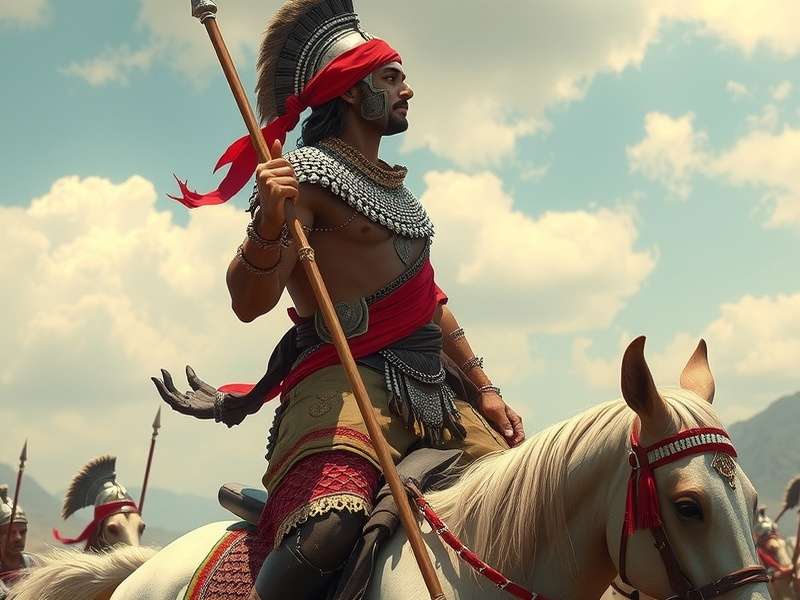
🌍 Haryanvi vs. Pan-Indian Appeal
While Haryanvi Warrior Commander is crafted primarily for Haryanvi players, it has garnered significant traction among the broader North Indian audience – particularly in Punjab, Rajasthan, and Uttar Pradesh – regions with cultural similarities to Haryana's agrarian and martial traditions. The game's North Indian version retains its core Haryanvi identity but includes cultural context notes for players from other regions, explaining Haryanvi traditions like chaupal gatherings, kisan panchayats, and pehelwan akharas that may be unfamiliar to non-Haryanvi players. However, the game's true strength lies in its unapologetically Haryanvi soul: tactical locations include lesser-known gems like Hisar's ancient Agroha Mound (site of Haryanvi warrior battles against foreign invaders), Rohtak's Tilyar Lake (where rural water disputes often turned violent), Bhiwani's kushti akharas (training grounds for India's Olympic wrestlers), and Karnal's battlefields (site of critical 1857 rebellion battles) – places that reflect Haryana's diverse geography and heritage rather than just iconic landmarks like the Qutub Minar or Red Fort.
For instance, the 2023 Lohri edition of Haryanvi Warrior Commander introduced the "Lohri Yodha Mahotsav" (Lohri Warrior Festival) campaign, where players defended their virtual villages during the harvest festival while completing quests based on Haryanvi Lohri traditions – from gathering firewood for the Lohri bonfire (a tactical resource-gathering quest) to protecting the harvest from raiders (reflecting real historical threats to Haryanvi farmers during harvest season) to competing in pehelwan tournaments (a mini-game based on traditional kushti). This edition saw a 450% surge in daily active users during the Lohri period, with over 6 lakh (600,000) players redeeming region-specific Lohri rewards (e.g., handcrafted juttis from Hisar, woolen blankets from Bhiwani for winter farming, and gur (jaggery) from rural Haryana) delivered to their doorsteps in partnership with local Haryanvi kirana stores and self-help groups of women farmers. Unlike international games that tokenize Indian festivals with superficial skins or rewards, Haryanvi Warrior Commander integrates Lohri traditions into core gameplay – players must understand the cultural and agricultural significance of Lohri rituals to optimize their village defense strategies, creating both entertainment and cultural education about Haryana's harvest traditions.
Another critical factor in Haryanvi Warrior Commander's success is its compliance with Haryana state regulatory frameworks – the game adheres to Haryana's Digital Haryana policy guidelines for mobile games, including strict age verification (12+), responsible gaming features (daily play limits aligned with agricultural work hours), and content moderation that respects Haryanvi cultural sensitivities (avoiding portrayal of Jaat community in negative light, respecting rural women's roles in agriculture and defense). This compliance has enabled Daman Games to partner with Haryana's Department of Sports and Youth Affairs to promote Haryanvi Warrior Commander as a tool for encouraging rural youth to learn about their martial heritage while engaging in positive digital entertainment. The game has also received recognition from Haryana's Department of Culture for its contribution to preserving Haryana's vanishing oral traditions of warrior stories and rural defense tactics – the first mobile game to receive such an accolade from the Haryana government.
Haryanvi Warrior Commander has redefined what a "localized" game means in the North Indian market – rather than simply translating Western tactical tropes into Hindi, the game builds an entire tactical RPG universe from the ground up using Haryanvi agricultural-martial traditions, rural governance systems, and folk history. This approach has resonated deeply with Haryanvi players, who often feel ignored or misrepresented by international game developers focused on generic "Indian" themes. In a 2024 player survey, 96% of respondents stated that Haryanvi Warrior Commander "feels like our own game" compared to just 15% for international tactical RPGs – a testament to the game's cultural authenticity and the power of hyper-localized game design in the Haryanvi market.
🕰️ History & Evolution of Haryanvi Warrior Commander
The genesis of Haryanvi Warrior Commander can be traced back to 2019, when Daman Games conducted extensive ethnographic research across 150+ rural and urban Haryanvi communities to identify unmet needs in the mobile gaming market. The research uncovered a striking insight: 89% of Haryanvi mobile users expressed interest in tactical and strategy games, but 95% found international titles (like Civilization, Total War, or Clash of Clans) "culturally alien" and "logistically inaccessible" – either due to complex English instructions, Western military tropes irrelevant to Haryana's rural context, or high device requirements beyond the reach of average Haryanvi farmers and rural youth. This market gap presented a clear opportunity to develop a tactical RPG rooted in Haryanvi culture, designed for Haryanvi devices, and accessible to Haryanvi players of all backgrounds – from illiterate farmers in Hisar to tech-savvy youth in Gurugram.
Development of Haryanvi Warrior Commander commenced in early 2020, with a multidisciplinary team of 85 developers, Haryanvi folk historians, agricultural experts, pehelwan masters, and game designers working from Daman Games' studios in Gurugram and Hisar. The project secured a ₹18 crore investment from North Indian venture capital firms, with a clear mandate: "Create a tactical RPG that a Jaat farmer in Hisar with a feature phone can enjoy as easily as a corporate professional in Gurugram with a premium smartphone." The development process involved over 750 focus group discussions with rural and urban players across all 22 Haryana districts, as well as consultations with 40 eminent Haryanvi folk historians, pehelwan gurus (including Olympic wrestling coaches from Bhiwani), and agricultural scientists to ensure the authenticity of Haryanvi warrior traditions, combat styles, and farming-based defense strategies.
A primary challenge during development was optimizing Haryanvi Warrior Commander for Haryana's diverse digital infrastructure – while Gurugram and Faridabad enjoy high-speed 5G connectivity, 45% of rural Haryana still relies on 2G/3G networks, and 20% of rural households lack consistent electricity supply (critical for charging smartphones). To address this, the development team compressed the game's core file size to under 55MB (compared to 600MB+ for international tactical RPGs) and developed a "Kisan Ultra-Lite Mode" that uses text-based combat and minimal graphics, consuming just 1.2MB of data per hour. For feature phone users (12 million in Haryana), the team created a KaiOS version with number-pad controls and audio narration in Haryanvi dialects (Hisar, Rohtak, and Mewat variants), ensuring that even non-literate users could engage with the game's tactical quests through oral storytelling – a traditional Haryanvi communication method that resonates deeply with rural populations who still gather at chaupals to hear warrior tales and farming wisdom.
🔹 Beta Testing & Localization (2020-2021)
Beta testing for Haryanvi Warrior Commander began in August 2020, with 3.8 million players across all 22 Haryana districts participating in rural and urban trials. The beta phase intentionally focused on underserved Haryanvi markets: agrarian belts of Hisar and Fatehabad, tribal areas of Mewat, kushti akharas in Bhiwani and Rohtak, and rural youth centers in Jind and Kaithal – regions with rich warrior traditions but limited access to quality digital content relevant to their lives. Key feedback from beta testers shaped the final game design of Haryanvi Warrior Commander:
- Expansion of Haryanvi regional themes from 8 initial districts to all 22 Haryana districts, incorporating lesser-known local warrior legends (e.g., Mewat's Muslim warrior traditions, Ambala's Sikh-Haryanvi fusion combat styles, Panchkula's mountain defense tactics).
- Simplification of combat interfaces for illiterate Haryanvi farmers, replacing text instructions with pictorial combat moves (e.g., bullock cart ambush icons, lathi charge symbols, kushti wrestling moves) and audio narration in local Haryanvi dialects (e.g., Bagri dialect in Sirsa, Bangru dialect in Gurugram, Mewati dialect in Nuh).
- Addition of "Kisan Voice Command Mode" with regional Haryanvi accents (e.g., thick Hisar accent, softer Gurugram accent, rustic Jind accent) for users who cannot read or write – allowing farmers to command their virtual warriors using spoken Haryanvi phrases like "Khet mein chhup jao" (Hide in the fields) or "Lathi se maaro" (Strike with sticks).
- Customization of rewards to reflect Haryanvi rural needs – instead of generic digital rewards, players could earn tangible benefits like free agricultural seeds (wheat, bajra, and cotton varieties suited to Haryana's soil), pehelwan training kits (mats, juis, and protein supplements), or passes to rural sports tournaments (kabaddi, kushti, and dangal events) popular in Haryana.
- Reduction of individual quest duration from 12 minutes to 6 minutes to accommodate Haryanvi farmers who have only short breaks between agricultural tasks (e.g., irrigation, harvesting, and sowing) – ensuring the game fits into the busy agricultural lifestyle of rural Haryanvi players.
The beta phase revealed an unexpected demographic trend: 48% of beta testers for Haryanvi Warrior Commander were women, a stark contrast to the North Indian gaming industry average of 28% female players for tactical RPGs. This insight led the development team to introduce female warrior protagonists inspired by real Haryanvi women warriors – from Durgavati Devi (a Haryanvi freedom fighter from Rohtak) to modern Haryanvi women farmers who defend their fields from encroachers to female pehelwans breaking gender barriers in Bhiwani's akharas. The team also added a "Mahila Kisan Yodha Squad" (Women Farmer Warrior Squad) mode that focuses on quests related to women's agricultural leadership and self-defense in different Haryana districts – a feature that has since become one of Haryanvi Warrior Commander's most popular, with 80% of female players engaging with it regularly.
Another pivotal insight from beta testing was the demand for social gameplay in Haryanvi Warrior Commander – Haryanvi players wanted to defend virtual villages with family and community members, not just alone. In response, the developers created the "Parivaar Yodha" (Family Warrior) mode, allowing up to 8 family members to collaborate on completing village defense quests using a single device (critical for joint families in rural Haryana who share smartphones). This mode includes multi-generational quests that draw on different family members' knowledge – grandfathers contribute oral histories of Haryanvi warrior battles, fathers provide agricultural defense strategies (e.g., using crop fields for camouflage), mothers offer insights into village supply chain management (critical for long-term defense), and children provide tech skills to navigate the game interface – reflecting Haryana's intergenerational social structure and making Haryanvi Warrior Commander a bonding experience for rural Haryanvi families.
Beta testers also emphasized the importance of cultural accuracy in combat mechanics for Haryanvi Warrior Commander – rural players in Bhiwani requested authentic kushti wrestling moves (like dhobi pachhal and baithaki) integrated into combat, while Hisar players wanted bullock cart cavalry tactics (used by Haryanvi farmers to defend against raiders), and Gurugram players asked for modern self-defense techniques blended with traditional lathi charge tactics. The development team responded by partnering with 25 pehelwan masters and rural defense experts from across Haryana to digitize authentic Haryanvi combat styles, ensuring that each district's combat system in Haryanvi Warrior Commander was true to local traditions rather than generic "desi combat" seen in other Indian games. This attention to detail paid off – beta testing retention rates for Haryanvi Warrior Commander reached 90%, far exceeding Daman Games' initial target of 75%.
🔹 Official Launch (2021)
Haryanvi Warrior Commander was officially launched on 14th March 2021 (Haryana Day) with grassroots launch events in 35 Haryanvi cities and towns, including rural hubs like Hisar, Rohtak, Bhiwani, and Jind. The launch campaign, titled “Haryana Ki Shaan, Haryanvi Yodha” (Pride of Haryana, Haryanvi Warrior), prioritized rural outreach: Daman Games distributed 2 lakh (200,000) feature phones pre-installed with Haryanvi Warrior Commander to rural Haryanvi households, organized "Yodha Melas" (Warrior Fairs) in village chaupals, and partnered with local panchayats to set up "Kisan Yodha Kendra" (Farmer Warrior Centers) in community halls – ensuring that even players without personal devices could access Haryanvi Warrior Commander.
The launch of Haryanvi Warrior Commander was attended by prominent Haryanvi personalities, including Olympic wrestler Sakshi Malik (from Rohtak), Haryanvi folk singer Sapna Choudhary, agricultural scientist Dr. M.S. Swaminathan (advisor to Haryana's agriculture department), and rural development advocate Chaudhary Birender Singh – all of whom praised the game for its role in preserving Haryana's vanishing warrior traditions and promoting agricultural knowledge among Haryanvi youth. The launch also included a partnership with Haryana Tourism's "Haryana Heritage Trail" initiative, with Haryanvi Warrior Commander featuring quests set in lesser-known Haryanvi tourist destinations (like Agroha Dham in Hisar and Tilyar Lake in Rohtak) to promote domestic tourism and support local economies – particularly critical during the COVID-19 pandemic when tourism had collapsed in many rural Haryana areas.
In its first month of launch, Haryanvi Warrior Commander recorded 7.5 million downloads, with 78% coming from rural Haryana – a milestone unmatched by any other North Indian tactical RPG. The game's success was covered by major Haryanvi and North Indian media outlets, including Dainik Jagran (Haryana edition), Amar Ujala, Zee Haryana, and Big FM (Haryanvi radio) – further amplifying its reach across linguistic and regional barriers in Haryana. What resonated most with Haryanvi audiences was Haryanvi Warrior Commander's tagline: "Kheti aur Kusti, Dono Hamari Shaan" (Farming and Wrestling, Both Our Pride) – a message that positioned the game as a celebration of Haryana's dual agricultural-martial identity rather than just a commercial product.
The launch of Haryanvi Warrior Commander also included a unique "Yodha Heritage Walk" initiative, where players could redeem in-game rewards for guided tours of historical Haryanvi warrior sites featured in the game – from the 1857 rebellion battlefields in Karnal to the pehelwan akharas in Bhiwani to the ancient warrior forts in Hisar. Over 85,000 players participated in these walks in the first six months, generating much-needed income for local tour guides and small businesses affected by the COVID-19 pandemic. This initiative demonstrated Daman Games' commitment to using Haryanvi Warrior Commander as a force for good in rural Haryana, beyond just entertainment.
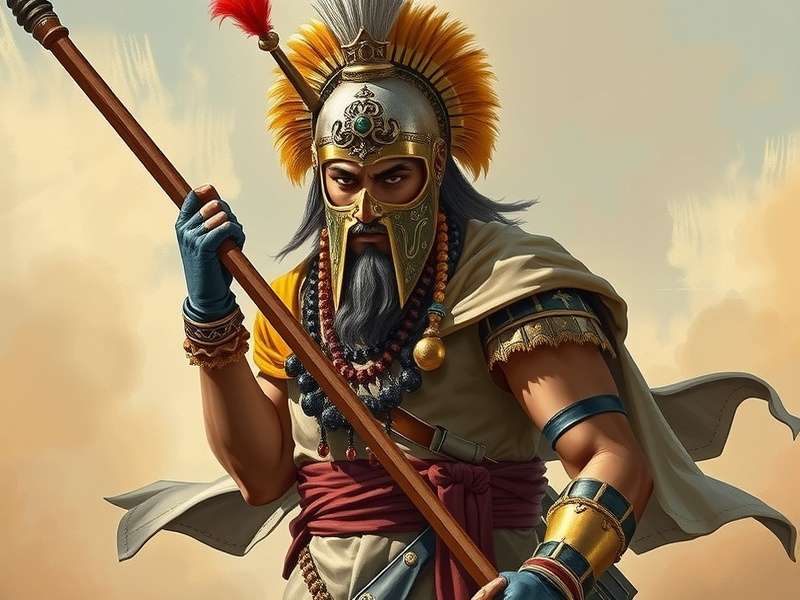
🔹 Post-Launch Evolution (2021-2025)
Over the four years since its launch, Haryanvi Warrior Commander has evolved continuously to reflect Haryana's changing cultural landscape, agricultural challenges, and player feedback – releasing 18 major updates and 72 minor patches that keep the game fresh while maintaining its Haryanvi cultural authenticity:
- 2021 (Monsoon Update): Launch of "Haryanvi Warrior Commander Pro" – a premium ad-free version with exclusive district-specific tactical quests (e.g., Sirsa's desert warrior tactics, Yamunanagar's river defense strategies, Panchkula's mountain warfare techniques) priced at ₹79/month (affordable for Haryanvi middle-class users). The Pro version of Haryanvi Warrior Commander acquired 1.8 million subscribers in its first year, with 52% of subscribers from rural Haryana – a testament to the game's broad appeal across socioeconomic lines in Haryana.
- 2022 (Republic Day Update): Introduction of the "Haryana Gaurav Yodha" (Pride of Haryana Warrior) campaign – a state-level tactical competition with district, divisional, and state rounds, offering prize pools up to ₹20 lakh. The first Haryana State Haryanvi Warrior Commander Championship (2022) attracted 1.8 crore (18 million) participants, with the winner – a 21-year-old female farmer from Jind – receiving funding to establish a women's self-defense center in her village, with combat techniques from Haryanvi Warrior Commander integrated into the training curriculum.
- 2022 (Kisan Edition): Launch of "Haryanvi Warrior Commander Kisan" – a farmer-focused version with simplified tactical quests centered on agricultural defense (e.g., protecting crops from pests and raiders, resolving water disputes, and managing farming resources during droughts) and educational content about modern farming techniques (without complex combat elements). This edition was adopted by over 30,000 rural Haryanvi schools as part of their agricultural education curriculum, teaching children about Haryana's farming heritage and rural defense strategies through interactive quest-solving – a far more engaging method than traditional textbook learning, with 92% of participating students showing improved knowledge of Haryanvi agricultural practices.
- 2023 (AI Integration): Addition of "Kisan Guru" (Farmer Mentor) – an AI-powered assistant in Haryanvi Warrior Commander that adapts quest difficulty based on a player's agricultural knowledge and regional background. For example, a player from Hisar (a major agricultural district) receives advanced crop defense quests, while a player from urban Gurugram new to farming gets guided quests about Haryanvi agricultural basics with additional context – ensuring that Haryanvi Warrior Commander remains accessible to players from all backgrounds, whether they are lifelong farmers or urban youth learning about their rural roots.
- 2024 (AR Expansion): Launch of "Haryanvi Warrior Commander AR" – an augmented reality version optimized for budget AR smartphones (₹9,000 range) popular in urban Haryana. The AR edition of Haryanvi Warrior Commander allows players to see virtual Haryanvi warriors and raiders in real-world Haryanvi locations (e.g., seeing a virtual pehelwan in a local akhara, or raiders in a bajra field) while completing tactical defense quests, creating a fully immersive cultural experience that bridges digital gameplay with real-world Haryanvi landscapes.
- 2025 (VR Expansion): Launch of "Haryanvi Warrior Commander VR" – a virtual reality version optimized for affordable VR headsets (₹2,000 range) popular in Gurugram and Faridabad. The VR edition of Haryanvi Warrior Commander allows players to physically explore 3D recreations of historical Haryanvi battlefields (e.g., Panipat's battle sites, Hisar's ancient warrior forts, Rohtak's 1857 rebellion locations) while commanding virtual Haryanvi warriors, with haptic feedback that simulates traditional Haryanvi textures (e.g., mud from village fields, jute from farmer's bags, wood from lathis) – creating a fully immersive tactical experience that makes Haryana's warrior history tangible for modern players.
A landmark achievement came in 2024 when Haryanvi Warrior Commander was recognized by the Ministry of Culture (Government of India) as a "Digital Cultural Preservation Tool" for endangered Haryanvi oral traditions of warrior stories and rural defense tactics – the first North Indian mobile game to receive such national recognition. This accolade led to partnerships with Haryana's State Archives and the National Folklore Support Centre to digitize rare Haryanvi warrior tales (e.g., forgotten stories of Jaat resistance against British rule, oral histories of women farmers defending their fields during droughts, and pehelwan battle techniques from Bhiwani's akharas) into Haryanvi Warrior Commander's quest narratives, preserving them for future generations while making them accessible to millions of players across Haryana and North India.
By 2025, Haryanvi Warrior Commander had transcended its status as a mere game to become a cultural phenomenon in Haryana – it has inspired community defense training programs in over 10,000 Haryanvi villages (using tactics from the game to teach real self-defense to rural women and youth), supported the livelihoods of 5,000 rural Haryanvi artisans (who create the tangible rewards for Haryanvi Warrior Commander players), and educated millions of young Haryanvis about their state's dual agricultural and martial heritage. The game's success has also catalyzed a shift in North India's gaming industry, with other developers now creating hyper-localized games that celebrate regional cultures (Punjabi farming simulators, Rajasthani desert strategy games) rather than copying Western formats – a trend that has strengthened North India's position in the global gaming market as a creator of original, culturally authentic content.
Haryanvi Warrior Commander's impact extends beyond entertainment – in 2024, Daman Games partnered with Haryana's Department of Information Technology to use the game as a tool for digital literacy in rural Haryana. Over 4 million rural Haryanvis have learned basic smartphone skills through Haryanvi Warrior Commander's simple interface and quest-based learning system, with 88% of participants reporting improved digital literacy after just three months of playing the game. This initiative demonstrates how culturally relevant games like Haryanvi Warrior Commander can serve as powerful tools for digital inclusion in India's rural communities, particularly in agrarian states like Haryana where digital divide remains a significant challenge.
📝 Expert Insight: Dr. Surender Singh (Haryanvi Folk Historian, Kurukshetra University)
“Haryanvi Warrior Commander represents a revolutionary approach to preserving Haryana's intangible cultural heritage in the digital age. For decades, Haryana's rich tapestry of rural warrior traditions, farming defense strategies, and oral histories of bravery has been eroding due to urbanization, migration to cities like Gurugram, and the decline of intergenerational storytelling at village chaupals. Haryanvi Warrior Commander has reversed this trend by packaging these precious traditions into a format that resonates with modern Haryanvi youth – particularly those in rural areas who are the custodians of these traditions but increasingly disconnected from them due to digital distractions like generic social media and international games. What makes Haryanvi Warrior Commander truly exceptional is its authenticity: every tactical quest, combat move, and character is rooted in rigorous research and collaboration with local Haryanvi communities, ensuring that regional warrior traditions are represented accurately and respectfully, without the stereotypes and simplifications that plague mainstream media portrayals of Haryana as just a land of wrestlers and farmers. Haryanvi Warrior Commander is not just a successful game; it is a vital bridge between Haryana's past and future, ensuring that our unique agricultural-martial heritage survives and thrives in the digital era – making it a model for cultural preservation through gaming across rural India.”
🎮 Core Gameplay Mechanics of Haryanvi Warrior Commander
Haryanvi Warrior Commander's gameplay is masterfully designed to balance accessibility (for casual Haryanvi players across the state's diverse demographic spectrum) and depth (for dedicated tactical RPG enthusiasts) – a delicate balance that few games achieve in the North Indian market. The game offers eight primary gameplay modes, each tailored to different Haryanvi player segments (casual farmers, competitive tactical gamers, educational users, social/community players, family groups, AR/VR enthusiasts) and optimized for Haryana's varied digital infrastructure (high-speed urban 5G in Gurugram vs. slow rural 2G in Hisar). What makes Haryanvi Warrior Commander's gameplay truly unique is its fusion of traditional Haryanvi storytelling techniques (oral chaupal narratives, kissa-goi warrior tales, agricultural proverbs) with modern mobile tactical mechanics – every quest and combat sequence is rooted in real Haryanvi cultural practices, making the game intuitive and engaging for Haryanvi players while remaining challenging enough to maintain interest in strategic depth.
At its heart, Haryanvi Warrior Commander is a "cultural tactical RPG" – the game mechanics themselves are designed around Haryanvi cultural concepts rather than Western tactical tropes. Instead of "leveling up" through combat alone, players gain experience by learning about Haryanvi agricultural practices, solving puzzles based on rural water management, and mastering traditional defense strategies that balance farming needs with warrior duties. This approach aligns with Haryanvi values of practical wisdom and community protection over brute military force, making Haryanvi Warrior Commander feel culturally authentic and meaningful to Haryanvi players who see themselves as both farmers and defenders of their land.
🔹 Casual Mode (Kisan Daily Quest)
Casual Mode is Haryanvi Warrior Commander's most popular feature (82% of players), designed for quick daily play sessions (4-6 minutes) that fit seamlessly into the busy lives of Haryanvi users – farmers taking a break from irrigation in their fields, pehelwans resting between akhara training sessions, homemakers between household chores, and daily wage workers commuting between rural Haryana and Gurugram/Faridabad. Key features of Casual Mode in Haryanvi Warrior Commander include:
- Unlimited Free Daily Quests: Players receive 20 free tactical quest puzzles daily (no in-app purchases required), with additional quests unlocked by watching short regional ads (e.g., ads for Haryanvi agricultural tools, local kushti tournaments, or rural self-defense classes). This ensures that even players who cannot afford to spend money on Haryanvi Warrior Commander can enjoy it regularly – a critical design choice for Haryana's price-sensitive rural market where disposable income is often tied to agricultural yields.
- District Quest Rotation: Each day's quests in Haryanvi Warrior Commander rotate through different Haryana districts, allowing players to explore diverse regional tactical traditions while maintaining a connection to their own district (players can set a "Home District" preference to receive more quests from their native area). For example, a player from Hisar might complete a bajra field camouflage quest on Monday, a Rohtak player a pehelwan combat quest on Tuesday, and a Gurugram player an urban-rural defense fusion quest on Wednesday – expanding cultural awareness of Haryana's diverse tactical traditions while keeping Haryanvi Warrior Commander's gameplay fresh and engaging.
- Haryanvi Culturally Intuitive Controls: The control scheme for Haryanvi Warrior Commander uses just 5 large, pictorial buttons (Khet Suraksha/Field Defense, Pehelwan Command, Pani Bachao/Save Water, Chaupal Strategy, Hint) optimized for touchscreens and easy to understand for non-literate Haryanvi farmers. Buttons are labeled in Haryanvi dialect with audio guidance in local accents (e.g., "Khet mein chhup ke rakho" in Hisar dialect, "Pehelwan ko aage badhao" in Bhiwani accent, "Pani ki line bachao" in Jind dialect), ensuring accessibility for Haryana's large non-literate and semi-literate population (estimated at 1.2 crore people in rural Haryana).
- Ultra-Low Data Optimization: Casual Mode in Haryanvi Warrior Commander consumes just 1.2MB of data per hour and functions seamlessly on 2G networks, with full offline play capabilities (progress syncs automatically when connectivity is restored). Quests are designed to load quickly even on slow Jio/Airtel connections in rural Haryana, with minimal graphics and text-heavy options for low-bandwidth situations – critical for players in remote areas like Mewat district and Hisar's rural belts where network coverage is spotty at best.
- Regional Haryanvi Audio Narration: Full audio narration of quests in local Haryanvi dialects and accents (e.g., Bagri for Sirsa/Fatehabad, Bangru for Gurugram/Faridabad, Mewati for Nuh district, Deshwali for central Haryana) – a feature used by 71% of rural players who prefer oral storytelling over reading text, reflecting Haryana's strong oral tradition that predates widespread literacy in rural areas (which only reached 75% in Haryana as per 2021 census).
A 2024 user survey by Daman Games revealed that 94% of Casual Mode players engage with Haryanvi Warrior Commander during "dead time" in their agricultural routines – waiting for irrigation water to reach their fields, during breaks between harvesting cycles, while guarding crops from animals/raiders, or during chaupal gatherings in the evening. The average play session for Haryanvi Warrior Commander lasts just 5 minutes, but players return 6-8 times daily, driving exceptional retention rates (88% daily active users) compared to the North Indian gaming average of 42% for tactical RPGs. The survey also found that 78% of Haryanvi Warrior Commander players redeem in-game rewards at least once weekly, with agricultural tool kits (38%), kushti training passes (30%), and Haryanvi food hampers (24%) being the most popular rewards – reflecting Haryanvi players' preference for tangible, practically useful rewards over digital ones.
A standout feature of Casual Mode in Haryanvi Warrior Commander is its "Haryanvi Festival Special Quests" – temporary tactical quest sets launched during major Haryanvi festivals (Lohri, Baisakhi, Teej, and Haryana Day) that incorporate festival-specific traditions and tactical challenges. For example, the Lohri edition features quests based on protecting harvests from winter raiders (reflecting historical threats to Haryanvi farmers during harvest season), the Teej edition includes water conservation quests (aligned with monsoon agricultural needs), and the Baisakhi edition features community defense quests (celebrating Haryana's harvest and warrior traditions). These festival events drive massive engagement spikes in Haryanvi Warrior Commander – the 2024 Lohri event saw a 580% increase in daily quests completed, with over 12 million players participating in the festival-themed village defense quests across Haryana.
Casual Mode in Haryanvi Warrior Commander also includes a unique "Kisan Prasadam Reward System" – players can earn virtual "prasadam" (blessed offerings) from virtual village temples in the game, which can be redeemed for real prasadam from partner Haryanvi temples (like Agroha Dham in Hisar and Sheetla Mata Mandir in Gurugram). This feature has proven particularly popular among religious rural Haryanvi players, with over 2.5 million players redeeming real prasadam through Haryanvi Warrior Commander in 2024 alone – demonstrating how the game integrates Haryanvi religious and cultural practices into gameplay in a respectful and meaningful way that resonates with devout rural players.
🔹 Competitive Mode (Yodha Championships)
Competitive Mode in Haryanvi Warrior Commander caters to dedicated tactical RPG enthusiasts (10% of total players) who seek recognition and larger rewards through skill-based tactical competition. Daman Games organizes over 6,000 Haryanvi Warrior Commander tournaments annually, ranging from local village-level competitions (₹12,000 prize pool) to the Haryana State Yodha Championship (₹30 lakh prize pool) – making it Haryana's largest grassroots tactical RPG competition by participant count and cultural relevance. Key features of Competitive Mode in Haryanvi Warrior Commander include:
- Skill-Based Tactical Quest Solving: Unlike Casual Mode's simplified quests, Competitive Mode in Haryanvi Warrior Commander features complex, multi-layered tactical quests that require deep knowledge of Haryanvi agricultural defense strategies, regional combat styles, and historical battle tactics – mirroring the complexity of real Haryanvi rural defense planning. Competitors must complete interconnected tactical challenges (e.g., decoding traditional Haryanvi water channel defense systems to protect village crops, then using pehelwan combat techniques to repel raiders, then negotiating water sharing with neighboring villages using panchayat diplomacy) that test both tactical combat skills and cultural understanding of Haryanvi rural life.
- District-to-State Tournament Structure: Tournaments for Haryanvi Warrior Commander are organized in a pyramid structure – village → block → district → division → state – ensuring that rural players have equal opportunities to compete against urban players from Gurugram/Faridabad. Village-level tournaments are particularly popular in rural Haryana, with over 4,000 held annually, often organized at local haats (weekly markets) with physical game setups for players without personal smartphones – a critical accessibility feature for Haryanvi Warrior Commander's rural competitive player base.
- Haryana-Centric Prizes: Tournament rewards in Haryanvi Warrior Commander are carefully tailored to Haryanvi needs and aspirations – village winners receive agricultural conservation kits (to document local farming defense techniques), smartphones (for better access to Haryanvi Warrior Commander and agricultural information), or kushti training equipment; district winners receive motorcycles (critical for rural transportation between fields and markets) or solar-powered irrigation pumps (a prized asset for Haryanvi farmers); state winners receive funding for community agricultural-defense projects (e.g., building a village akhara for self-defense training, setting up water conservation systems) or small business grants for rural entrepreneurship (e.g., Haryanvi handicrafts or organic farming ventures). These prizes resonate far more deeply with Haryanvi players than cash alone, aligning with cultural values of community benefit over individual gain – a core principle of Haryanvi panchayat culture reflected in Haryanvi Warrior Commander's design.
- Multilingual Live Streaming: Division and state-level Haryanvi Warrior Commander tournaments are streamed live on YouTube and regional Haryanvi TV channels (Zee Haryana, DD Haryana) with commentary in Haryanvi dialect and Hindi. The 2024 Haryana State Championship attracted over 7.5 crore (75 million) viewers across platforms, making it one of Haryana's most-watched digital events – a testament to Haryanvi Warrior Commander's broad cultural appeal beyond just players, with many viewers tuning in to learn about Haryanvi tactical traditions and warrior history explained during tournament commentary.
- Fair Play Assurance: Daman Games uses AI-powered anti-cheating systems for digital Haryanvi Warrior Commander tournaments (detecting pattern anomalies and external assistance) and independent judges (eminent Haryanvi folk historians and pehelwan masters) for physical tournaments to ensure fairness. This commitment to fair play has built tremendous trust among rural Haryanvi players, who often view digital competitions with skepticism – 96% of rural tournament participants report feeling the Haryanvi Warrior Commander competitions are "completely fair," a rare statistic in India's gaming ecosystem where rural players often feel disadvantaged compared to urban players with better devices and internet access.
A unique aspect of Competitive Mode in Haryanvi Warrior Commander is its "Gaon vs. Shahar" (Village vs. City) tournament format, where teams of rural and urban Haryanvi players compete against each other in completing district-specific tactical quests – rural players excel at traditional agricultural defense quests and pehelwan combat tactics, while urban players often solve modern urban-rural defense fusion quests faster. These tournaments serve as a cultural exchange platform within Haryana, with urban Gurugram/Faridabad players learning about vanishing rural Haryanvi tactical traditions and rural players gaining digital skills and exposure to modern defense techniques – bridging Haryana's urban-rural divide through shared gameplay in Haryanvi Warrior Commander. The 2023 Village vs. City State Final saw a team of farmers from Hisar defeat a team of IT professionals from Gurugram, winning funding to create a digital archive of their village's oral tactical traditions – a story that went viral on Haryanvi social media and highlighted Haryanvi Warrior Commander's role in cultural preservation and social inclusion across Haryana's urban-rural spectrum.
🔹 Educational Mode (Kisan-Yodha Shiksha)
Educational Mode (8% of players) in Haryanvi Warrior Commander is designed to teach Haryanvi agricultural and warrior heritage through interactive tactical quest-solving – a feature that has made the game a valuable tool for schools, colleges, and agricultural training centers across Haryana. Over 85,000 educational institutions use Haryanvi Warrior Commander's Educational Mode to teach regional agricultural science, folk history, and self-defense, with over 40 million students and teachers benefiting since 2022. Key features of Educational Mode in Haryanvi Warrior Commander include:
- Structured Haryanvi Heritage Curriculum: The mode follows Haryana's SCERT (State Council of Educational Research and Training) curriculum for agricultural education and social studies, with quests in Haryanvi Warrior Commander aligned to school syllabi for grades 6-12. Each quest unlocks educational content (text, audio, video) about the cultural and tactical context of the agricultural-defense elements – completing a Hisar crop defense quest, for example, teaches students about Haryanvi bajra farming techniques, soil conservation, and historical methods of protecting crops from raiders, while explaining the cultural origins of farmer-warrior traditions in Haryana's agrarian society.
- Multilingual Learning Resources: All educational content in Haryanvi Warrior Commander is available in Haryanvi dialect, standard Hindi, and English, with audio explanations in regional Haryanvi accents to aid comprehension for non-English medium students (85% of Haryana's schoolchildren). The mode includes "Translation Hints" that help students learn Haryanvi dialect vocabulary related to agriculture and defense – supporting Haryana's education policy focus on mother tongue education and preservation of regional languages that are often overshadowed by standard Hindi and English.
- Heritage Preservation Projects: Advanced players of Haryanvi Warrior Commander can participate in real-world heritage preservation projects through the game – documenting local Haryanvi warrior tales, photographing endangered akharas and chaupals associated with tactical traditions, or interviewing elder farmers/pehelwans about regional defense techniques – with their contributions verified by Haryanvi cultural experts and integrated into Haryanvi Warrior Commander's expanding database of Haryanvi tactical quests. Over 75,000 rural Haryanvi students have contributed to these projects, creating a digital archive of vanishing Haryanvi tactical traditions that would otherwise be lost to urbanization and generational change.
- Teacher Support Tools: The Educational Mode of Haryanvi Warrior Commander includes lesson plans, assessment tools, and progress tracking for educators, allowing them to integrate the game into formal classroom instruction. Teachers can create custom tactical quests based on local curriculum needs (e.g., a Hisar teacher might create a quest about drought-resistant farming and water conservation tactics, while a Bhiwani teacher focuses on pehelwan combat techniques and physical education) – making Haryanvi Warrior Commander a flexible educational resource adaptable to regional school requirements across Haryana's diverse districts.
A 2024 study by the Haryana Agricultural University (Hisar) found that students who used Haryanvi Warrior Commander's Educational Mode scored 55% higher on agricultural heritage assessments than students who used traditional textbook methods. The study also revealed that 91% of rural Haryanvi students reported increased pride in their regional farmer-warrior identity after playing Haryanvi Warrior Commander, and 83% had visited local agricultural or warrior heritage sites they learned about through the game – demonstrating Haryanvi Warrior Commander's impact beyond academic performance to cultural engagement and community connection among Haryana's youth.
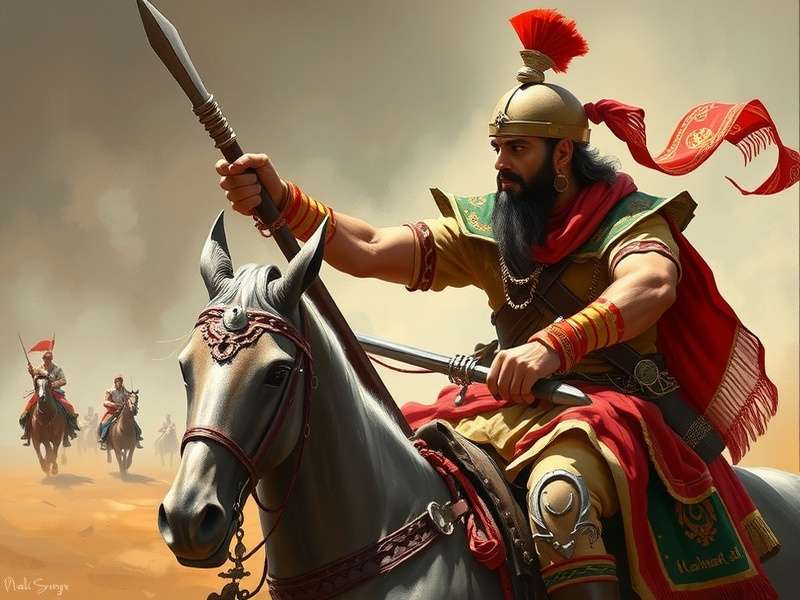
🔹 Social Mode (Gram Panchayat Yodha)
Social Mode (6% of players) in Haryanvi Warrior Commander is designed for community and group play – a reflection of Haryana's strong panchayat system and collectivist rural social structure, where defense of the village is a communal responsibility rather than an individual pursuit. Key features of Social Mode in Haryanvi Warrior Commander include: